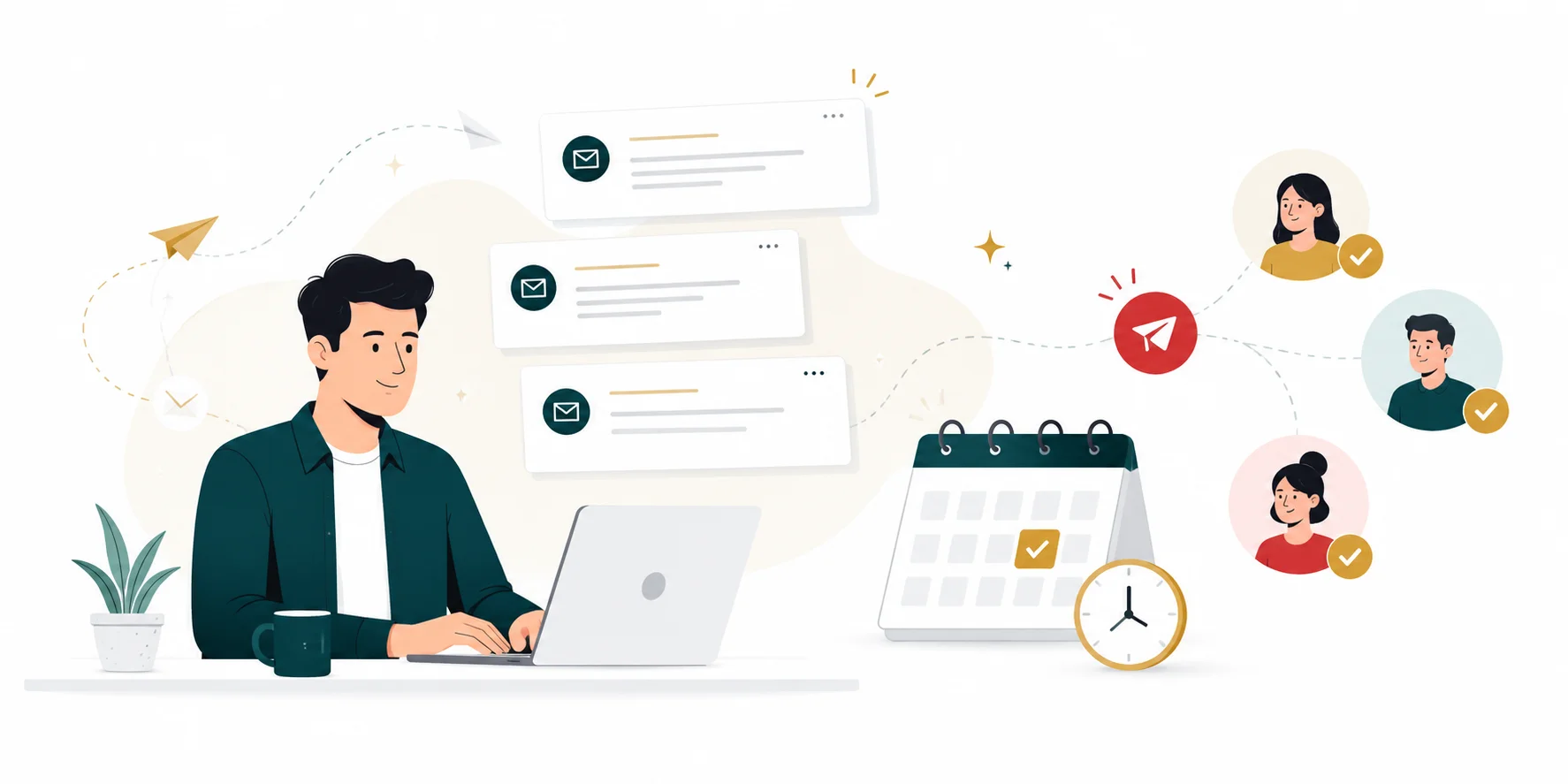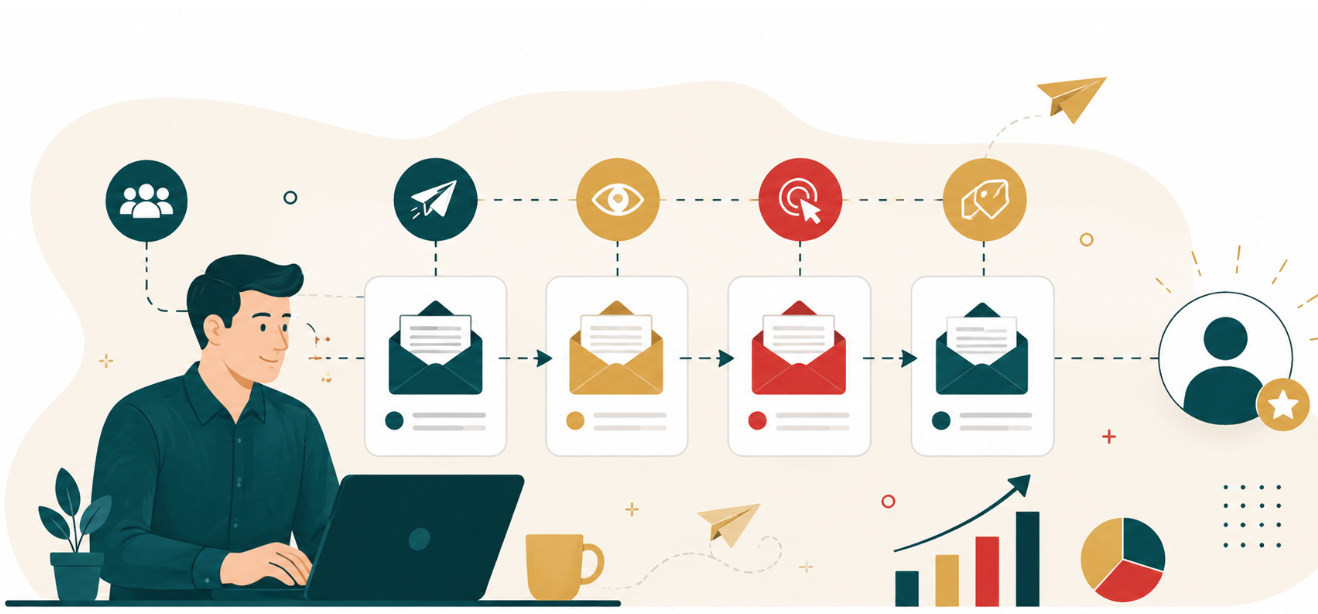
A lot of B2B teams talk about email like it is one thing. They focus on subject lines, open rates, or campaign volume and hope better performance follows. In reality, email only becomes useful when it has a specific job inside the sales process.
That is why sequences matter more than one-off sends. A strong sequence moves a buyer from one stage to the next with purpose. It builds trust, keeps momentum alive, and creates a clearer path toward conversation, demo, or decision.
At Upwind, we do not see email as a standalone marketing channel. We see it as part of a larger sales engine. Done right, email sequences support lead generation, follow-up, pipeline movement, CRM automation, and better handoffs between marketing and sales.
The teams that get the most from email usually are not the ones sending the most messages. They are the ones who know which sequence to use, when to use it, and what each email is supposed to accomplish.
What A B2B Email Sequence Is Actually Meant To Do
Before getting into specific sequence types, it helps to be clear about the role email should play in B2B growth. Too many companies build sequences that try to do everything at once and end up doing very little well.
A good sequence is not just a set of automated emails. It is a structured path designed to move the buyer toward a specific next step.
Email Sequences Should Guide, Not Just Remind
A lot of weak sequences are really just reminders dressed up as strategy. They say things like “checking in” or “wanted to follow up” without adding anything useful. That is not guidance. That is repetition.
A stronger sequence moves the conversation forward. Each email adds context, introduces value, answers a question, reinforces urgency, or makes the next action easier. The buyer should feel progression, not repetition.
The Best Sequences Have One Clear Job
One sequence might be designed to welcome and orient a new lead. Another might warm up a prospect before sales outreach. Another might recover opportunities after a no-show or stalled conversation.
When one sequence tries to educate, convert, re-engage, and upsell at the same time, the result usually feels scattered. The more focused the purpose, the more effective the sequence becomes.
1. The Welcome Email Sequence
The welcome sequence is often underestimated because it feels basic. In reality, it is one of the first places a B2B company proves whether its communication feels clear, professional, and intentional.
This is the sequence that shapes early trust. It sets expectations and helps a new lead understand what comes next.
When To Use It
Use a welcome sequence when someone joins your list, downloads a resource, fills out a form, signs up for updates, or enters your world for the first time through a meaningful conversion point.
This is not just for newsletters. It matters anywhere a prospect raises a hand and signals interest. That first stretch of communication often shapes whether they stay engaged or drift away.
What It Should Include
A strong welcome sequence should deliver whatever the lead expected, reinforce your positioning, and introduce the next useful step. That might mean sharing the promised asset, highlighting a relevant case study, or pointing them toward a key service page.
It should also make the relationship clearer. What kind of value will they hear from you? What problem do you help solve? Why should they keep paying attention?
Common Mistakes To Avoid
The biggest mistake is treating the welcome email like a transactional confirmation and nothing more. Another common problem is overloading the first few emails with too much company talk and not enough relevance.
The best welcome sequences do not just say hello. They create momentum and give the lead a reason to stay connected.
2. The Lead Nurture Sequence
Not every lead is ready for sales right away. Some need more context, more trust, or more clarity before they are prepared to take the next step. That is where nurture sequences matter.
A strong nurture sequence keeps the relationship warm without becoming background noise.
When To Use It
Use nurture when a lead has shown interest but is not yet ready to book a call, request a proposal, or move deeper into the funnel. This often applies to inbound leads who are still researching or comparing options.
It is also useful when your sales cycle is naturally longer. If buyers need time to think, involve other stakeholders, or understand the problem more fully, nurture helps keep your business relevant during that process.
What It Should Include
Good nurture emails should educate and build confidence. That could mean sharing practical insights, common mistakes, buyer questions, short case studies, or specific examples of how similar businesses solved the same problem.
The content should feel tied to real buyer concerns. It should not read like a long product pitch disguised as education. The value needs to stand on its own.
How To Keep It Useful
The easiest way to make nurture emails weak is to repeat the same broad message in different wording. Each email should give the reader something slightly new: a perspective, a proof point, a framework, or a clearer next action.
A nurture sequence should build trust gradually. It is not there to pressure the lead into responding before they are ready. It is there to make your business feel like the obvious choice when they are.
3. The Cold Outreach Sequence
For B2B teams that need pipeline creation, this is one of the most important sequences to understand. Cold outreach is not about sending more messages. It is about reaching the right people with the right reason to respond.
When done well, a cold sequence creates conversations, not just activity.
When To Use It
Use a cold outreach sequence when you know who you want to reach and you do not want to wait for them to discover you on their own. This is especially useful for targeted account lists, niche verticals, and high-value opportunities.
It also makes sense when the business needs more control over pipeline creation. Inbound can be valuable, but outbound is often what gives a team faster feedback and more direct market access.
What It Should Include
A strong cold sequence should start with relevance. The first email should be short, specific, and connected to a likely pain point or business trigger. Later emails can add proof, a sharper angle, or a low-friction call to action.
The goal is not to cram everything into one email. It is to create a progression that earns attention over time without sounding repetitive or desperate.
Why Short Usually Wins
Most cold emails fail because they ask the reader to work too hard. They are too long, too vague, or too self-focused. Buyers do not need your whole story in the first touch.
The strongest cold outreach emails are usually simple. They get to the point quickly, make the relevance obvious, and give the recipient one easy way to respond.
4. The Webinar Or Event Follow-Up Sequence
Events create intent, but a lot of that intent gets wasted because the follow-up is weak. A webinar or event sequence should turn attention into movement, not just send a replay link and disappear.
This is one of the clearest opportunities to connect marketing activity to pipeline.
When To Use It
Use this sequence after webinars, workshops, live demos, roundtables, in-person events, or any educational experience that signals genuine interest. Attendees and registrants are giving you a useful buying signal.
That signal should not be ignored. The right follow-up can separate casual interest from real opportunity very quickly.
What It Should Include
A good event follow-up sequence should recap the key takeaway, share the recording or resource if relevant, and connect the event topic to a practical next step. That next step might be a strategy call, a consultation, or a relevant service conversation.
The best versions of this sequence also segment based on behavior. Someone who attended live may deserve a different follow-up from someone who registered but never showed up.
How To Turn Interest Into Pipeline
This is where many teams go too soft. They send helpful content, but never make the path forward clear. If the event topic ties closely to your offer, the follow-up should make that connection obvious.
You do not need to oversell. You just need to make the next logical action easy to see and easy to take.
5. The Demo Or Trial Follow-Up Sequence
Interest is highest right after a demo or trial starts. That is also when confusion, distraction, and drop-off are most likely. This sequence exists to keep that momentum from fading.
For many B2B teams, this is one of the closest sequences to revenue.
When To Use It
Use this sequence after a prospect books a demo, starts a trial, or takes a hands-on step that signals stronger intent. These are not early-stage awareness leads anymore.
They are closer to decision. That means the emails should feel more actionable, more confident, and more focused on helping them move forward.
What It Should Include
A strong demo or trial sequence should reinforce the problem you solve, point the prospect toward quick wins, answer likely objections, and show proof that your solution works in the real world.
This is also a good place to include short reminders, customer examples, implementation clarity, or a direct invitation to ask questions. The goal is to reduce friction and keep usage or evaluation moving.
How To Push Without Feeling Pushy
The best follow-up sequences at this stage do not apply pressure for its own sake. They create clarity. They help the buyer understand what matters, what to do next, and why delaying the decision may create unnecessary drag.
That approach feels more credible than constant urgency language. It respects the buyer while still protecting momentum.
6. The No-Show Or Re-Engagement Sequence
Not every missed meeting or quiet lead is lost. But if there is no good follow-up process, a lot of potentially recoverable opportunities end up slipping away.
This sequence matters because stalled pipeline is still pipeline. It just needs a better re-entry point.
When To Use It
Use this after missed meetings, dormant leads, quiet demo prospects, or previously engaged contacts who stopped responding. These people have already shown some level of interest.
That makes them very different from cold contacts. The messaging should reflect that. The goal is not introduction. It is reconnection.
What It Should Include
A strong no-show or re-engagement sequence should acknowledge the gap without sounding frustrated. It should restate the value of the conversation, offer a simple way to reconnect, and reduce the friction of taking the next step.
This is also a good place to test a different angle. If the original message stopped working, the follow-up can reframe the problem, introduce a proof point, or offer a smaller commitment.
How To Recover Without Sounding Desperate
Desperation usually shows up when every email sounds like a plea for attention. A better approach is calm and clear. Remind them why the conversation matters and make it easy to re-engage if the timing is right.
That tone tends to perform better because it feels confident. You are opening the door again, not chasing blindly.
7. The Sales Conversion Sequence
Eventually, some leads need more than nurture. They need communication that helps them decide. That is where the sales conversion sequence comes in.
This is the sequence that supports movement from interest to action.
When To Use It
Use this when a lead is qualified, engaged, and close enough to decision that the communication should focus on buying confidence rather than general education.
This often happens after a meaningful conversation, after proposal delivery, or when the prospect is actively weighing whether to move forward.
What It Should Include
A strong sales conversion sequence should address decision friction directly. That could include proof, implementation clarity, answers to common objections, reminders of business impact, or a clearer explanation of what happens after yes.
The key is to support the decision, not overwhelm it. This is not the stage for endless new information. It is the stage for removing hesitation.
How To Drive Action
A lot of teams get passive at the finish line. They send vague follow-ups and hope the prospect circles back. That creates drag right when clarity matters most.
A stronger sequence makes the next move obvious. It asks for the decision, the meeting, the approval, or the conversation in a clear and professional way.
How To Know Which Sequence To Build First
Most B2B teams do not need every sequence at once. They need the right ones for the stage of growth they are in and the bottlenecks they are trying to fix.
If you already generate inbound interest, start with welcome and nurture. If you need pipeline now, start with cold outreach and follow-up. If opportunities stall after meetings, build stronger demo, no-show, or sales conversion flows.
The point is not to collect sequences. The point is to solve specific friction inside the revenue process. The best sequence to build first is the one tied to the clearest missed opportunity.
How Upwind Uses Email Sequences Inside A Real Sales Engine
At Upwind, we do not look at email sequences as isolated automation projects. We look at them as part of the infrastructure behind growth. They support lead generation, reinforce phone outreach, improve follow-up discipline, and help opportunities move more consistently through the pipeline.
That matters because revenue does not come from one good email. It comes from systems that keep the right conversations moving. Sequences are one way to make that system more reliable.
A welcome email can make inbound leads feel more qualified before sales gets involved. A nurture sequence can keep demand warm until timing improves. A cold outreach sequence can create new conversations in target accounts. A post-call or no-show sequence can recover momentum that would otherwise be lost.
That is the bigger picture. Good email sequences are not just marketing assets. They are operational leverage for a better sales engine.
Final Thoughts
Every B2B marketer does not need more emails. They need better sequences with a clearer role in the sales process.
That means building emails around buyer stages, not random campaigns. It means knowing when to welcome, when to nurture, when to reach out cold, when to follow up after interest, and when to push a qualified opportunity toward decision.
The teams that do this well do not treat email like background activity. They treat it like a system that supports trust, momentum, and pipeline.
That is the real opportunity. Not just to send more, but to build sequences that make the whole revenue engine work better.